Rising Anchor home
When life shifts in your 30s, 40s, and 50s

Find your footing through practices that actually work

Real tools for real changes. Not shortcuts or platitudes—just frameworks built for career turns, moving, relationship shifts, and rebuilding.

Transitions can leave you feeling adrift. Rising Anchor gives you seasonal practices, people to check in with, and ways of working that draw from how coastal places build durability. You'll get something concrete to do, not just inspiration.

This is for people who've stopped believing in quick fixes but haven't given up on finding something solid to stand on.

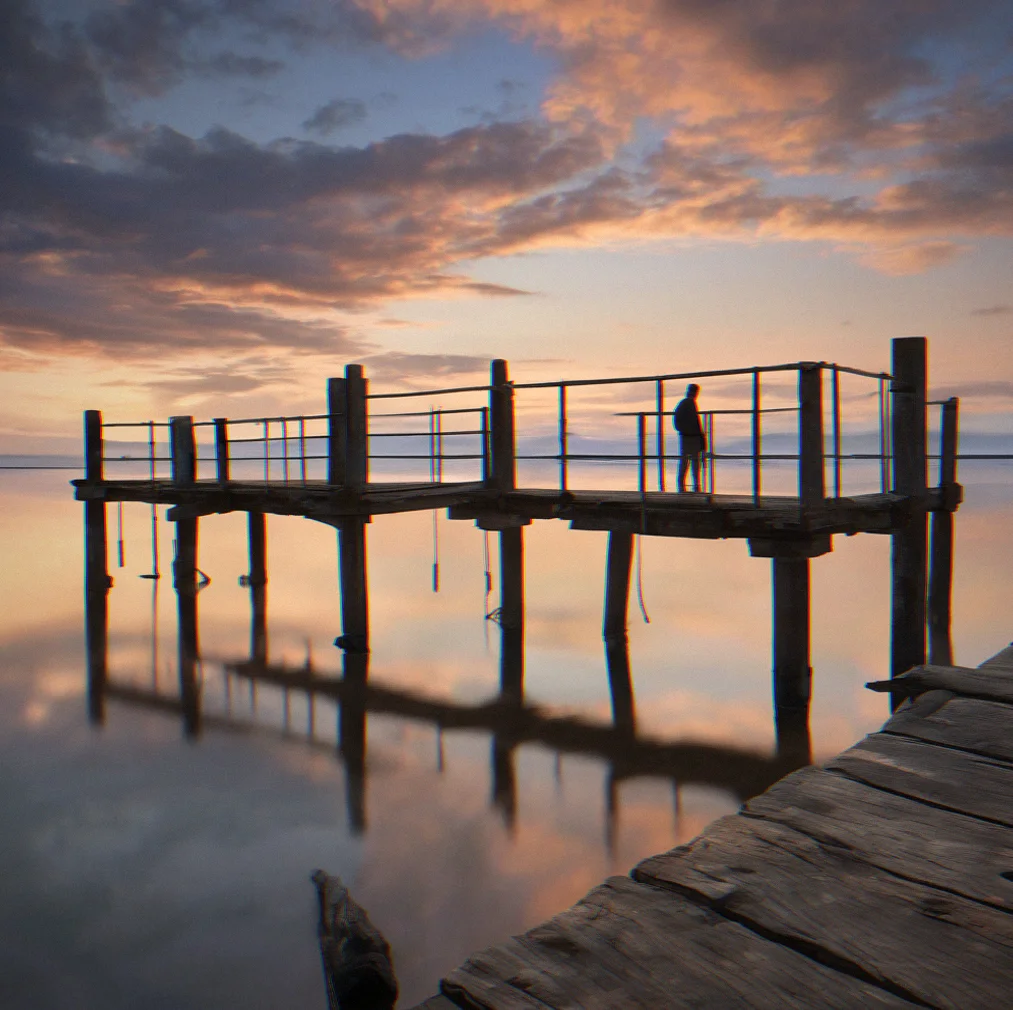
A weathered pier extends into still water at dusk, reflecting the dimming sky

What anchoring actually looks like

1

Seasonal rhythms, not constant hustle

Your transition doesn't happen alone. Spring and autumn move differently. Rising Anchor aligns your work with natural cycles—what you build when the sun's high, what you settle into when winter comes. It's how people who live on the coast actually move through their lives.
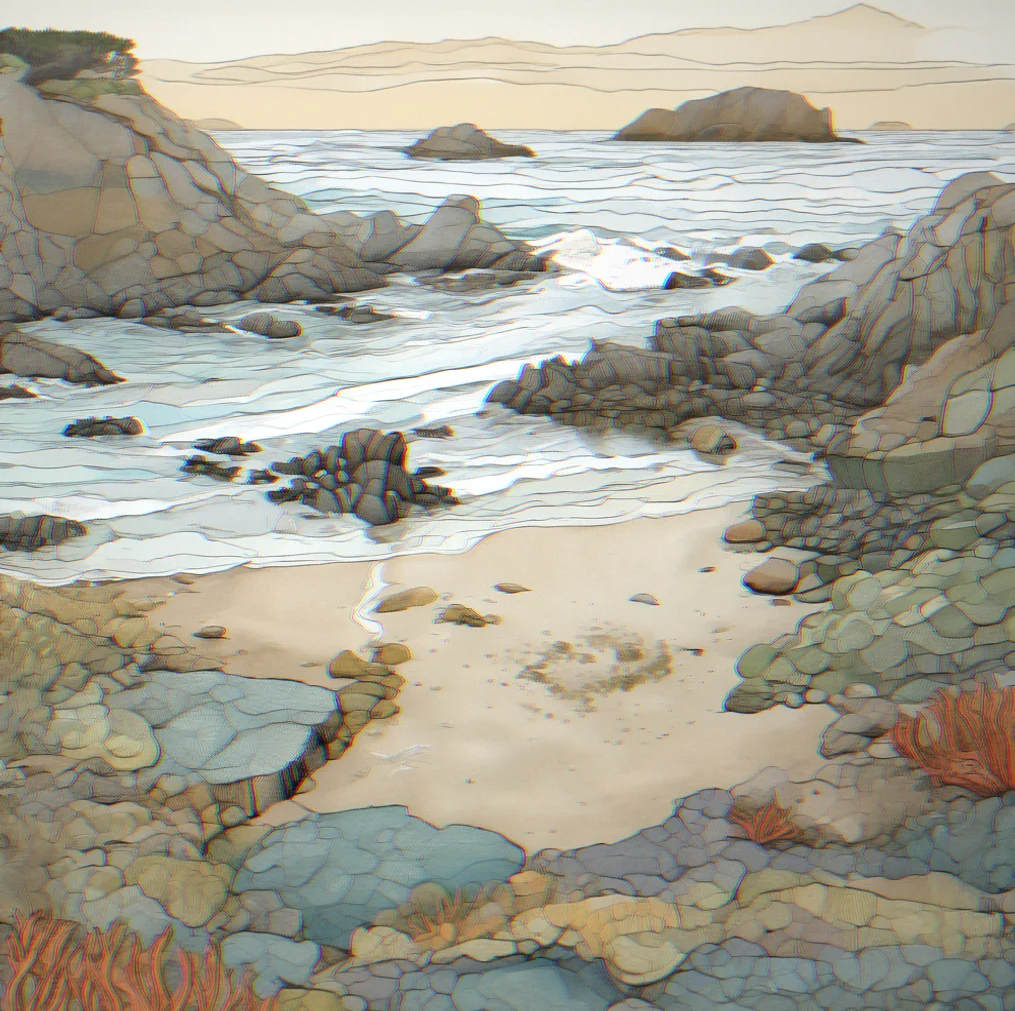

Rocky coastline showing layers of tide pools at different elevations with kelp and sea stars
2

Frameworks you can actually use

Not vague principles. The Work Anchor gives you a 12-week structure for career transitions. The Place Anchor helps you settle into new locations through specific grounding practices—spend time in three neighborhoods, learn one local history, find your tidal zone. You get a real map.

Wooden navigation chart rolled and bound with twine on weathered table beside compass
3

Real community, real check-ins

You're in a small group—usually around 8 to 12 people. Monthly tidal circles are group check-ins structured around what's rising and what's receding in your life. Not cheerleading. The accountability actually sticks because people understand your specific situation.

Five people sitting in a circle on a driftwood log facing an estuary at sunset
4

Coastal environments as practice space

Water and geology settle your nervous system in a way that's hard to explain—salt air, the rhythm of tides, stone that's been here longer than whatever you're going through. Rising Anchor is built for people near coasts or with regular access to them. Tidal practice, wave work, time on the shore becomes part of how this works. [This doesn't replace therapy but it works alongside it.]

Sunrise light breaking across calm bay with wooden pier pilings casting long shadows
5

Your specific transition gets mapped

Career pivot. Moving. A relationship shift. Recovery. Each one has its own rhythm. You figure out which anchor pattern fits what you're going through, then move through it using seasonal markers, weekly anchoring practices, and monthly group check-ins. Twelve months from start to finish.

Hand-drawn transition diagram on kraft paper with circles and arrows showing seasonal progression
6

Rooted in place-based wisdom

This isn't theory imported from somewhere else. It's built on how coastal communities actually hold steady during change—tidal timing, the way work patterns shift with seasons, the importance of gathering places. You're learning from how people actually live near water, not from a productivity app.

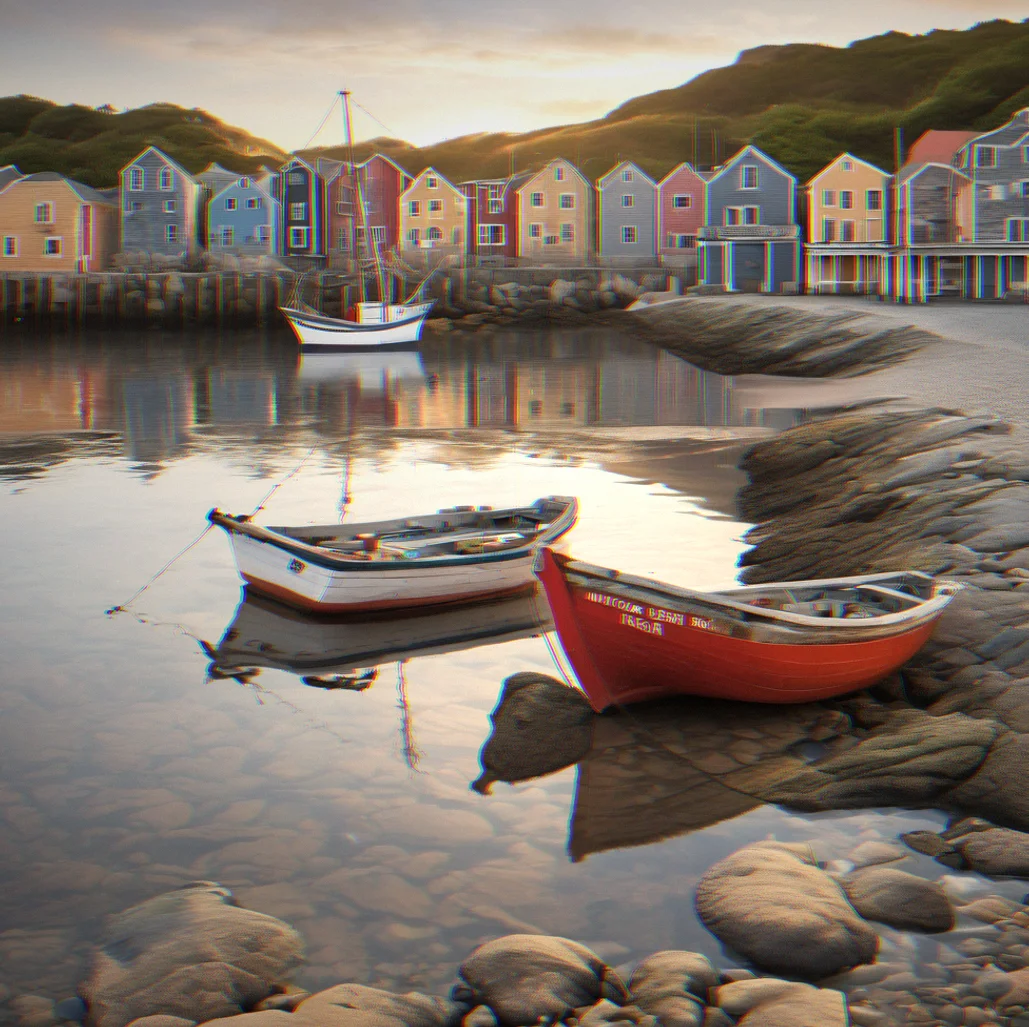
Historic harbor town with fishing boats moored at low tide near weathered maritime buildings
7

Weekly anchoring practices

Small enough to actually do. Tidal breathing takes 8 minutes—you match your breath to imagined tide cycles. Shore time is just 30 minutes unstructured by the water. You write down what's rising and what's receding. These aren't busy work. They're how you stay connected to your transition without falling apart.

Open journal with handwritten notes beside a cup of tea on a window seat overlooking water
8

Built for skeptics

No affirmations. No vision boards. Rising Anchor works because it's grounded in actual cycles—tides, seasons, weather—in real community with real accountability, and in concrete practices you can do. If it sounds too simple, it probably works.

Simple coastal cabin interior with large window framing water view, minimal furnishings, natural light

Anchoring in practice

What grounding actually looks like. Not posed. Real people, real transitions, real rhythms working through seasons near water. Most of these shots were taken during tidal circles or weekly time at the shore.

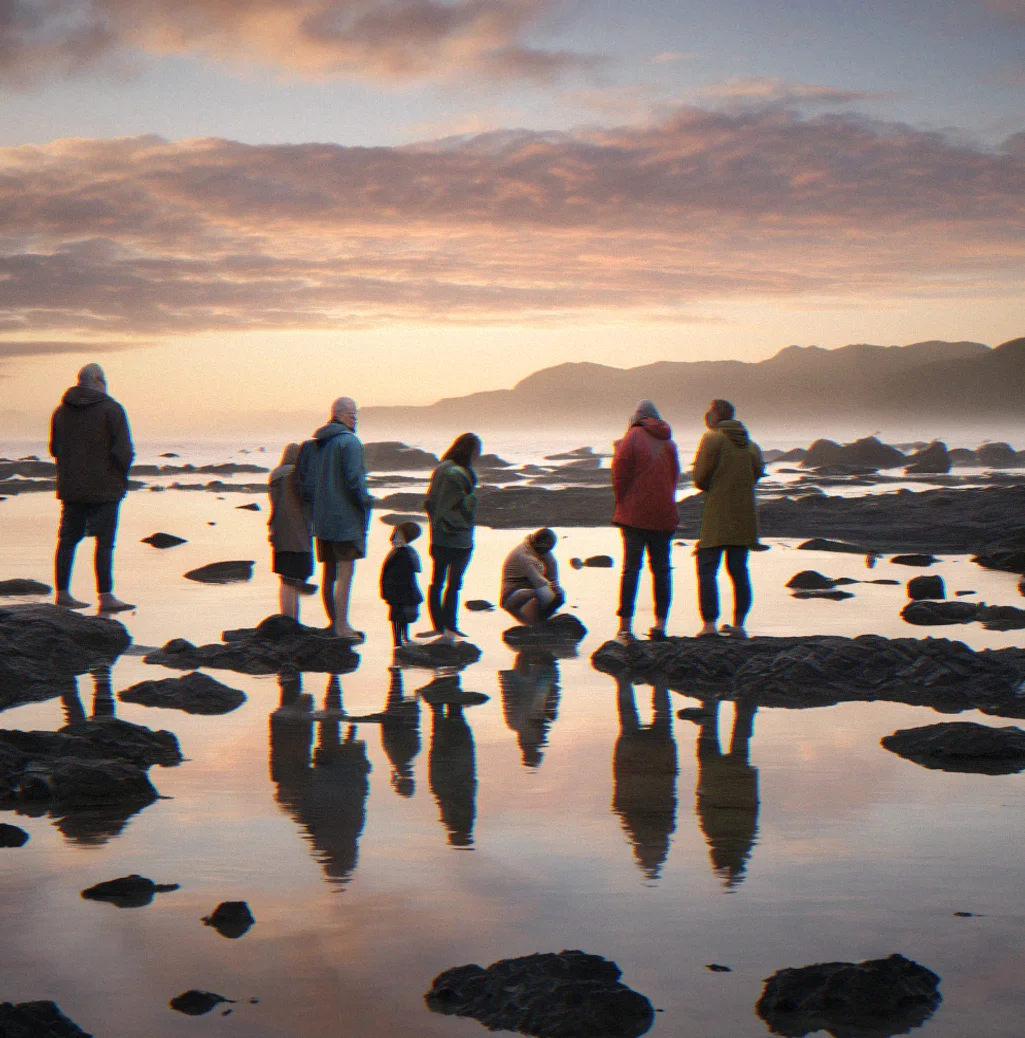
Six people standing in a shallow tide pool inlet at dusk, hands on the rocks around them

Monthly tidal circle. Where you watch transitions happen.

Someone sitting on an old bench facing the bay with a notebook, morning mist coming off the water

Weekly shore time. Thirty minutes without the phone.

Worksheets and seasonal charts spread across a driftwood table with coffee and a pen

Mapping when you rise and when you fall back. The real work.

Eight months in

These came from people working thruogh their anchoring cycles. Career changes, moving somewhere new, relationship shifts. No styled shots. Some are just what they look like: someone sitting at a table, water at different times, what actually grounds you. The pattern matters more than what's behind them.

Person in windbreaker standing alone on rocky headland during gray morning light, looking out toward horizon

Low tide. Beginning of week check-in.

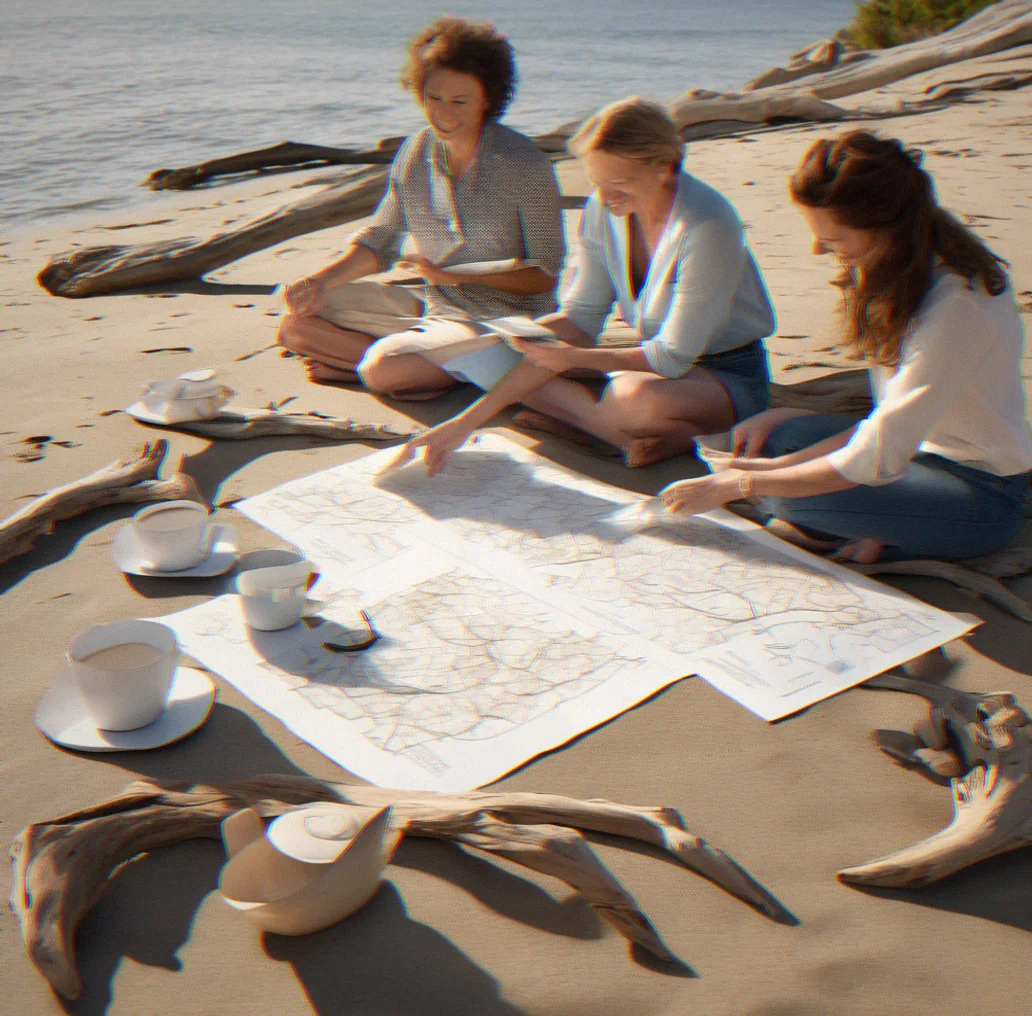
Three people seated around driftwood table with anchor worksheets spread out, coffee cups, mid-conversation in dappled sunlight

Monthly tidal circle. Four months in.

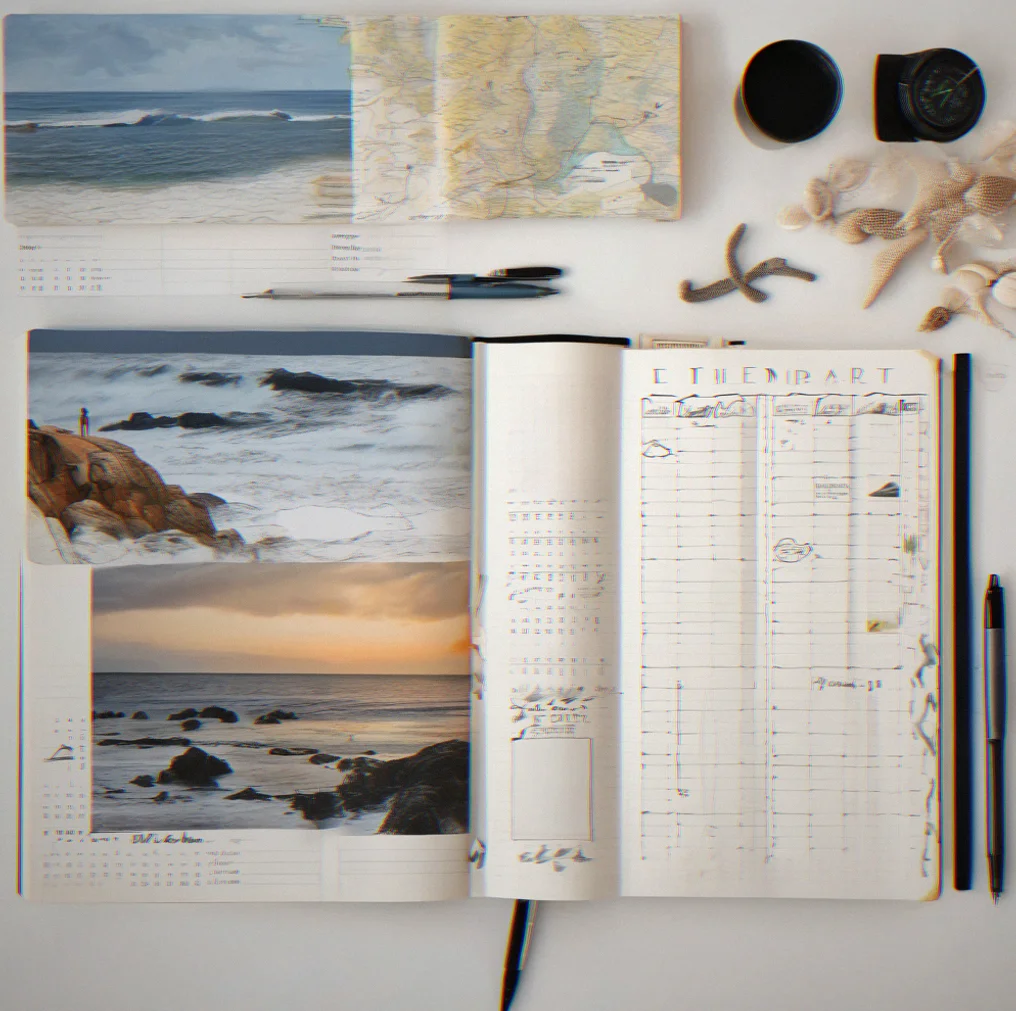
Overhead shot of open journal with handwritten entries beside tide chart calendar, pen resting on page

Weekly anchor work. Tidal breathing notes, rising and receding list.

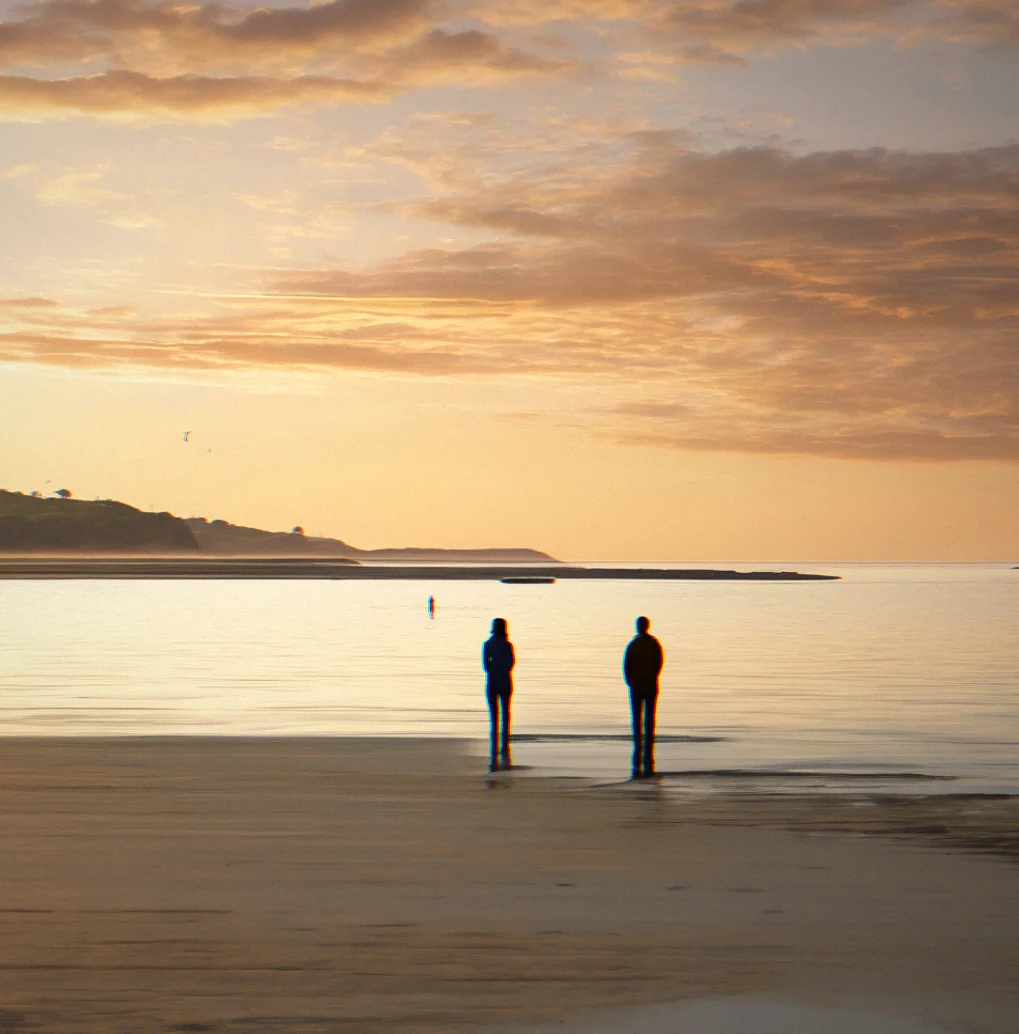
Sunset view across estuary with two people standing at water's edge, neither looking at camera, arms at rest

Shore time during the transition month. Half hour with no plan.

Small coastal town street scene with person walking past maritime supply store and weathered storefront windows

Place mapping. Learning three neighborhoods. Portland, Maine.

Interior shot of person at kitchen window facing water view, holding mug, morning light streaming through glass

Six weeks after moving. Settled enough to have a routine now. That's what makes the difference.

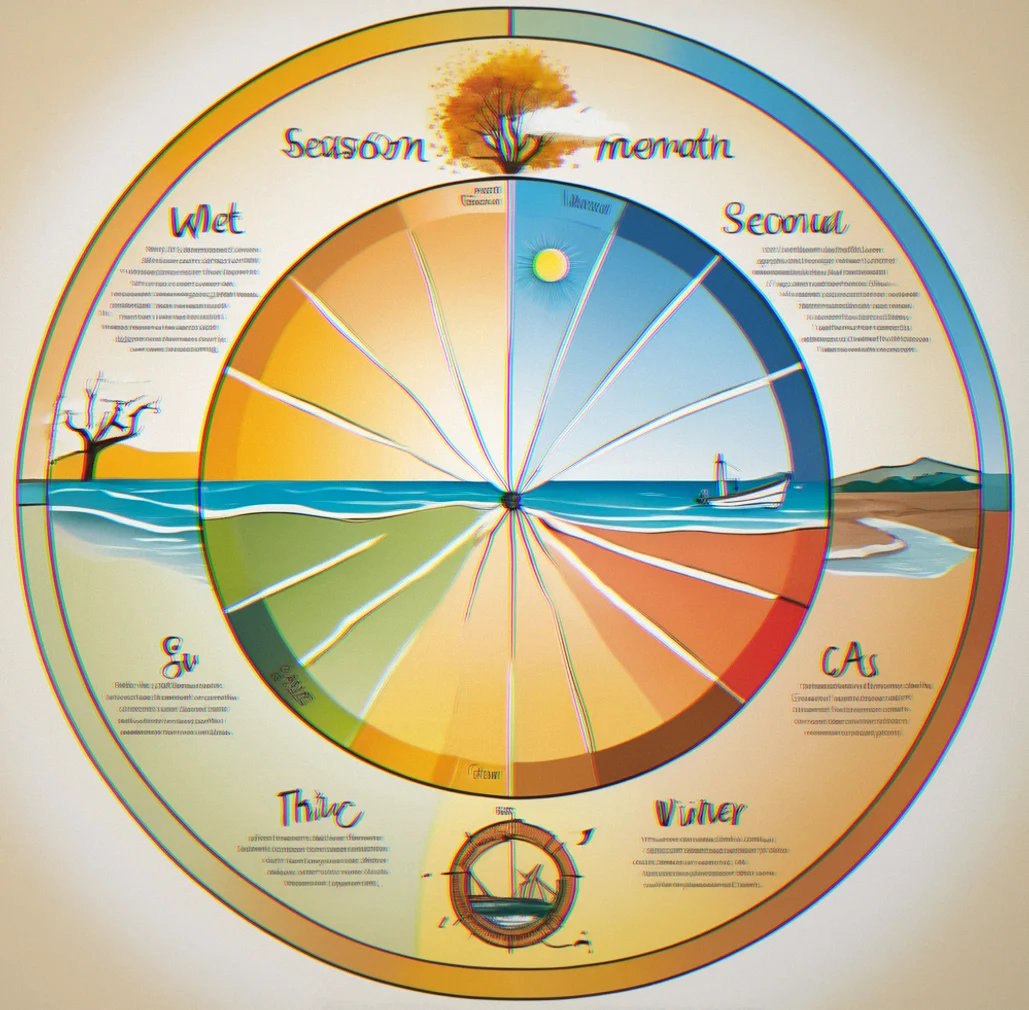
Circular seasonal wheel diagram showing four quadrants labeled Spring Exploration, Summer Building, Autumn Consolidation, Winter Integration with water color backgrounds and tide symbols
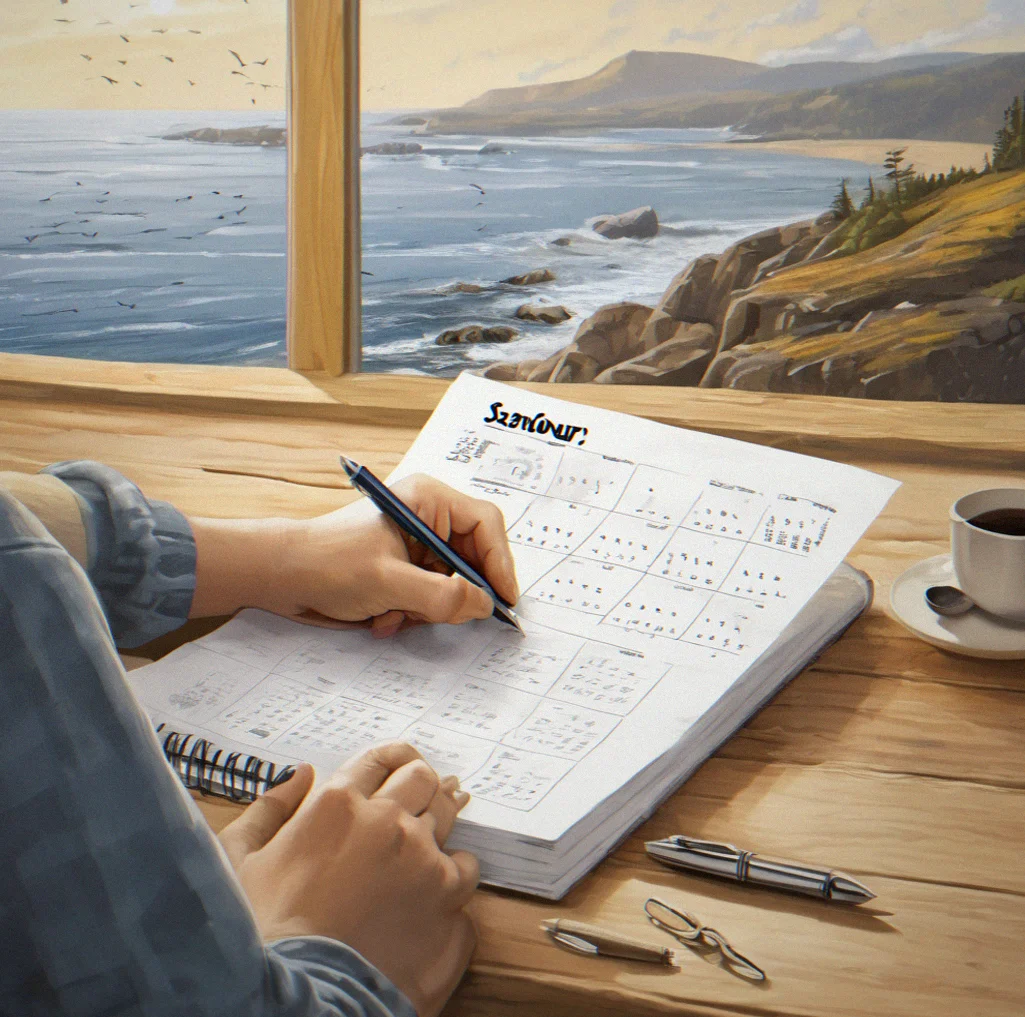
Person writing in workbook at wooden desk with seasonal calendar visible, natural light from window, coffee cup nearby
01

How it works

The seasonal anchor model

Most people picture transitions as a straight path. You quit one job, land another. Pack up, unpack, settle in. Real transitions don't work that way. They move like the tide—forward and back, sometimes for half a year or longer. Rising Anchor takes your specific shift and maps it onto a 12-month seasonal rhythm. Spring is exploration and planning, roughly 4 to 6 weeks. Summer pushes you into commitment and building, taking up about 8 to 10 weeks. Autumn is when you consolidate and take stock, a 6 to 8 week window. Winter gives you space to rest and let things integrate with whatever time is left. You're not working against the season. You work with it. Coastal communities have been moving through major changes this way for centuries—not by pretending the calendar doesn't matter, but by paying attention to it. The framework hands you actual practices for each phase: tidal breathing when things feel uncertain, shore time when you're making decisions, weekly anchor work while you're pulling things together. Most people find themselves genuinely rooted by month 9 or 10. Not the "fake it till you make it" kind of settled. Actually rooted.

01

Twelve-week sprint phases

Each season breaks into focused 12-week work blocks. You know exactly what the finish line looks like.

02

Weekly anchoring practices

Tidal breathing, shore time, check-ins with your rising and receding. Small repeatable things that add up over time.

03

Monthly group accountability

Tidal circles bring together 8 to 12 people going through similar shifts. You get honest feedback and real witnesses, not just cheerleading.

04

Place-based grounding

Coastal access matters. Water, rock formations, the reliable rhythm of the tides—these aren't window dressing. They're woven into how the method actually works.

Get anchor practices sent your way every couple weeks

These are real things you can actually use, not just feel-good stuff. You'll get tidal breathing guides, practices tailored to whatever season you're moving through, and a heads up when new cohorts start. We don't spam. You know exactly what's coming.